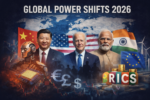




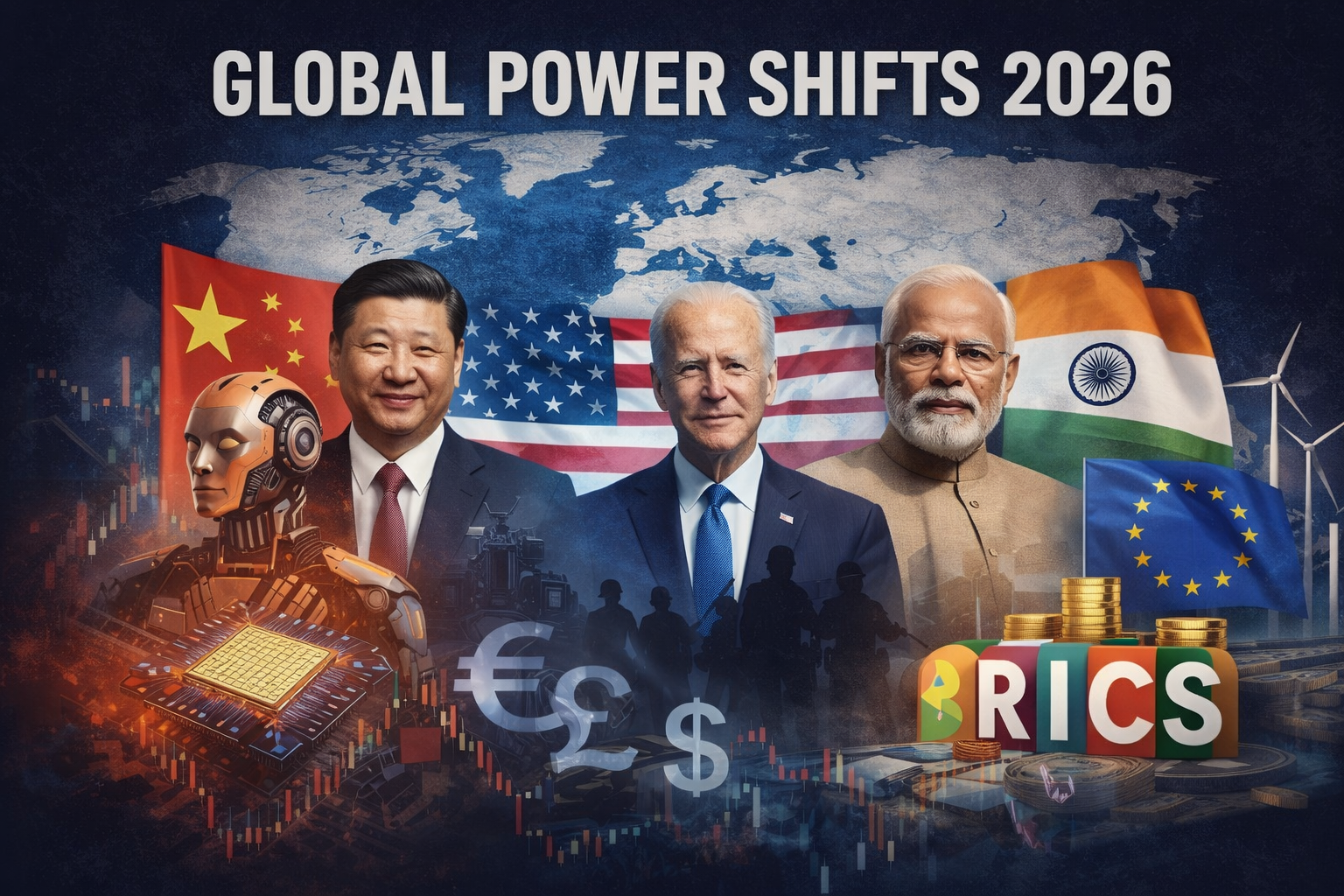
The global balance of power is undergoing one of the most significant transformations in modern history. From economic realignments to technological competition and new geopolitical alliances, 2026 is shaping up to be a defining year for how influence is distributed across the world. The dominance of traditional superpowers is being challenged, while emerging nations and regional blocs are stepping into more decisive roles.
The Rise of a Multipolar World
For decades, global power was largely concentrated in the hands of a few countries, most notably the United States. Today, that unipolar moment is steadily giving way to a multipolar system. Countries such as China and India are expanding their economic, technological, and strategic influence, reshaping global decision-making platforms.
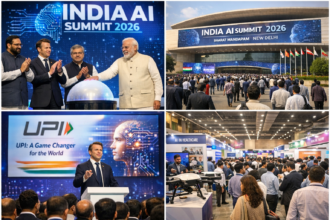
China’s massive investments in infrastructure, manufacturing, and digital technology have strengthened its global footprint, particularly across Asia, Africa, and Latin America. Meanwhile, India is positioning itself as a key technology and innovation hub, with rapid growth in artificial intelligence, digital public infrastructure, and space technology.
Economic Power Is Shifting
One of the most visible signs of global power shifts is the changing flow of capital. Investors are diversifying beyond traditional markets, and regions such as Europe and parts of Asia are seeing renewed financial interest. Supply chains are also being restructured as countries aim to reduce dependency on single sources for critical goods like semiconductors, energy, and rare earth materials.
The expansion of trade partnerships outside traditional Western frameworks is another major indicator. New economic corridors, regional trade agreements, and currency cooperation mechanisms are slowly reducing the dominance of the US dollar in certain bilateral trades. While the dollar remains the world’s primary reserve currency, alternative systems are gaining ground.
Technology as the New Battleground
In 2026, technological leadership is as important as military strength. Artificial intelligence, quantum computing, semiconductor manufacturing, and cybersecurity are now central to national power.
The global AI race is no longer limited to a few nations. Countries are investing heavily in domestic innovation ecosystems, research institutions, and startup networks. Control over data, digital infrastructure, and advanced computing resources is becoming a key strategic advantage.
This competition is not only about innovation but also about setting global standards — the rules that will govern how future technologies are used.
The Role of New Alliances
Traditional alliances are evolving, and new ones are emerging. Groupings such as BRICS are expanding their influence by promoting alternative financial structures and stronger cooperation among emerging economies.
At the same time, Western alliances are being reinforced through new security and technology partnerships. These overlapping networks show that global power is no longer defined by a single axis but by multiple, interconnected relationships.
Energy and Resource Politics
Energy transition is another major driver of global power shifts. Countries rich in critical minerals — essential for batteries, electric vehicles, and renewable energy systems — are gaining strategic importance. Control over clean energy technology and supply chains is becoming as crucial as oil once was.
Nations that can balance energy security with climate commitments are likely to gain long-term geopolitical leverage.
The Global South Is Finding Its Voice
Perhaps the most important development is the growing influence of the Global South. Many developing countries are no longer passive participants in global governance. They are negotiating trade deals, shaping climate discussions, and demanding reforms in international institutions to reflect current economic realities.
This shift is making global diplomacy more complex but also more representative.
Challenges Ahead
While these power shifts create new opportunities, they also bring uncertainty. Competition over technology, trade routes, and resources can increase geopolitical tensions. The challenge for the international community is to manage this transition without escalating conflicts.
Conclusion
The global power structure in 2026 is more dynamic than ever before. Economic diversification, technological competition, new alliances, and the rise of emerging economies are collectively reshaping the world order. Rather than a single dominant power, the future points toward a multipolar system where influence is shared, negotiated, and constantly evolving.